Eggplant Katsu Sando
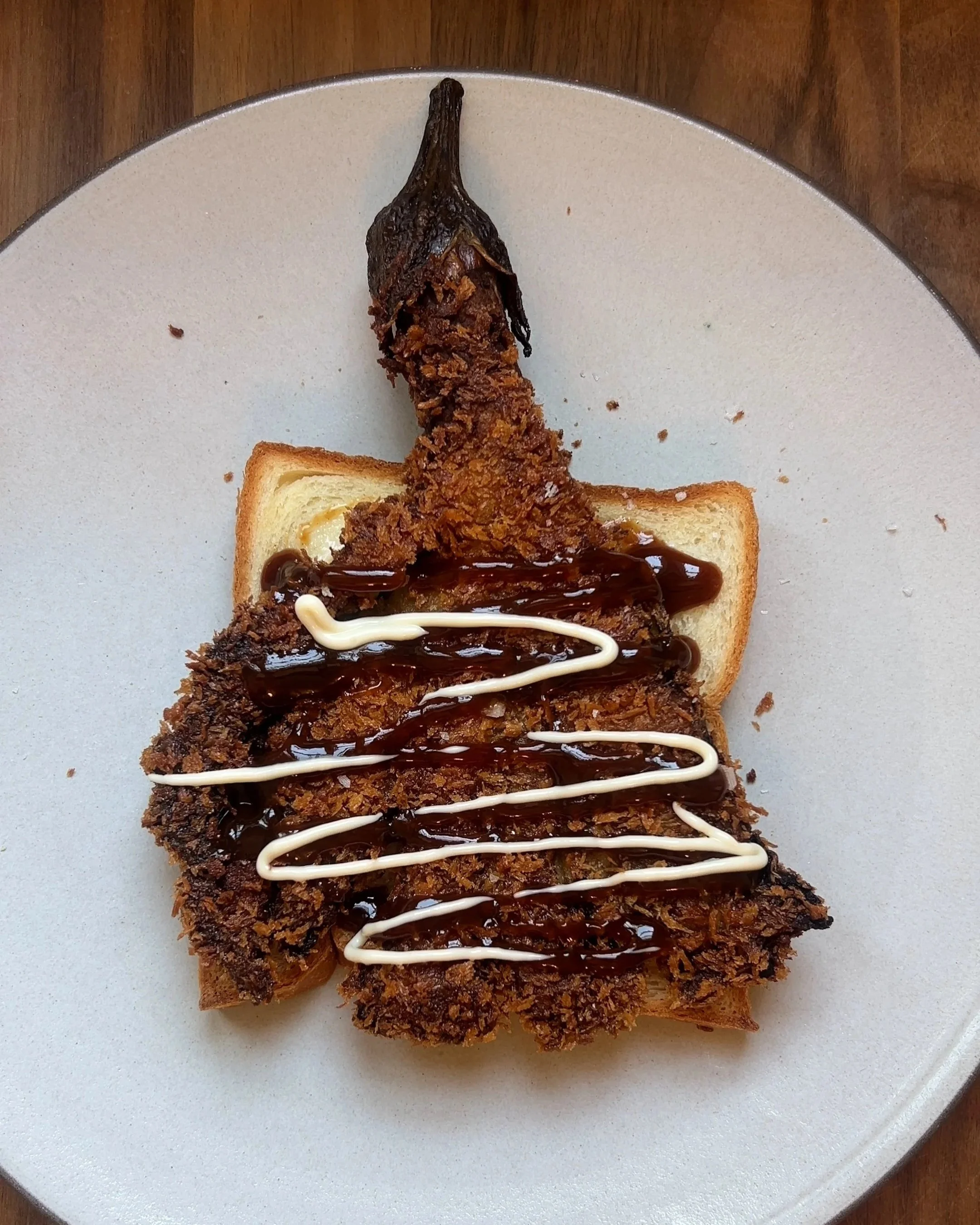
Every year, during eggplant season, I make a tortang talong inspired recipe. This time it's eggplant katsu, a vegetarian friendly sandwich that's still hearty and satisfying enough to make a full meal out of.
What is tortang talong
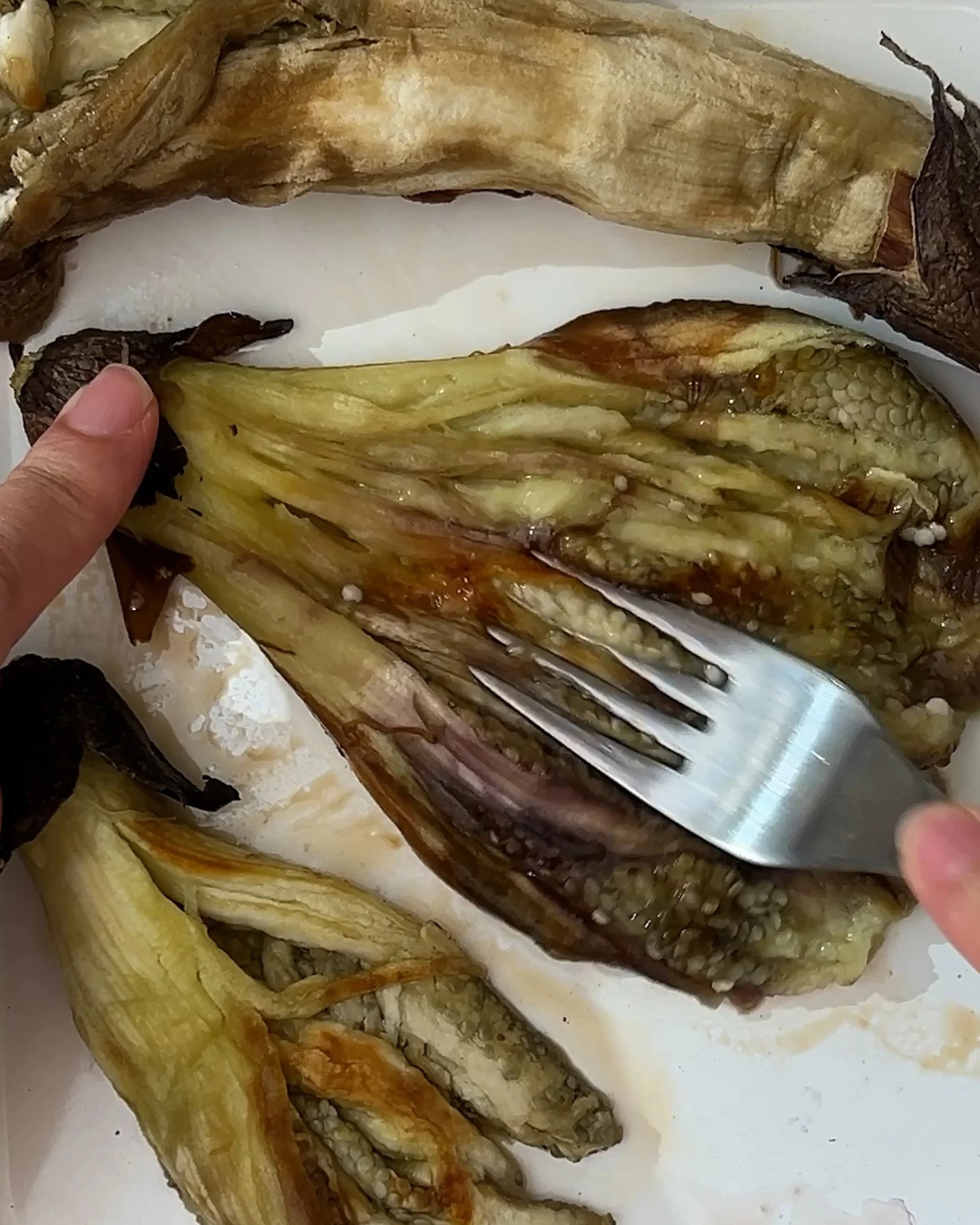
Tortang talong is a Filipino eggplant omelet. You char the eggplant skin over an open flame, peel it, then smash it flat with a fork before dipping it in egg wash and cooking it like an omelet. The technique is unique, and I've wanted to apply it to other dishes ever since I first tried it. I've made tortang talong omurice, a tortang talong inspired eggplant parmesan, and every year when eggplant comes into season, I find myself reaching for this technique again. This time, it's eggplant katsu sando.
Japanese eggplant vs. Chinese eggplant
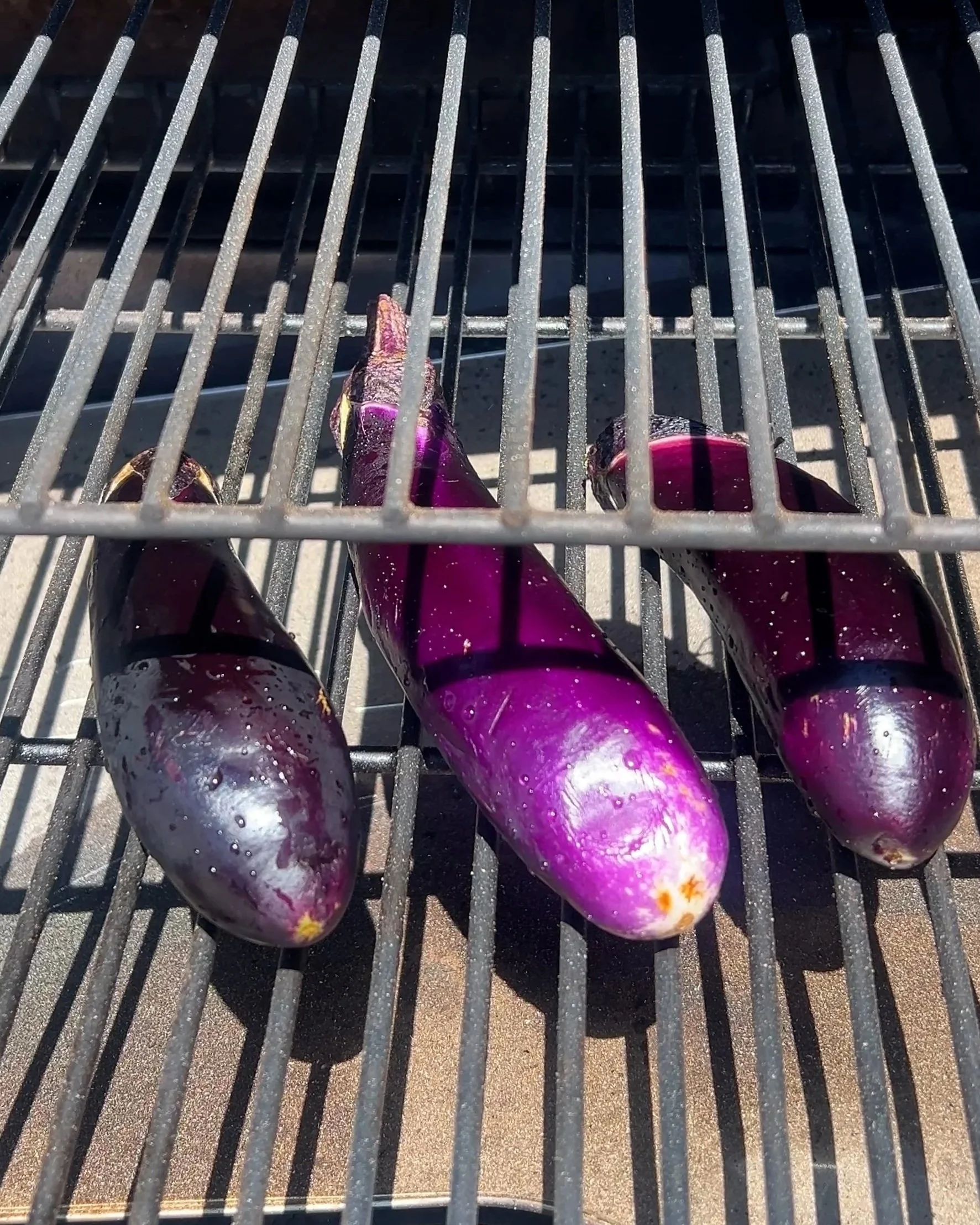
When it comes to eggplant, my favorites are Japanese eggplant and Chinese eggplant. Japanese eggplant has darker purple skin and is usually smaller, while Chinese eggplant is lighter in color and much longer. Since I'm using this for katsu sando, I prefer Japanese eggplant here, since its smaller size means it doesn't stick out from the bread too much.
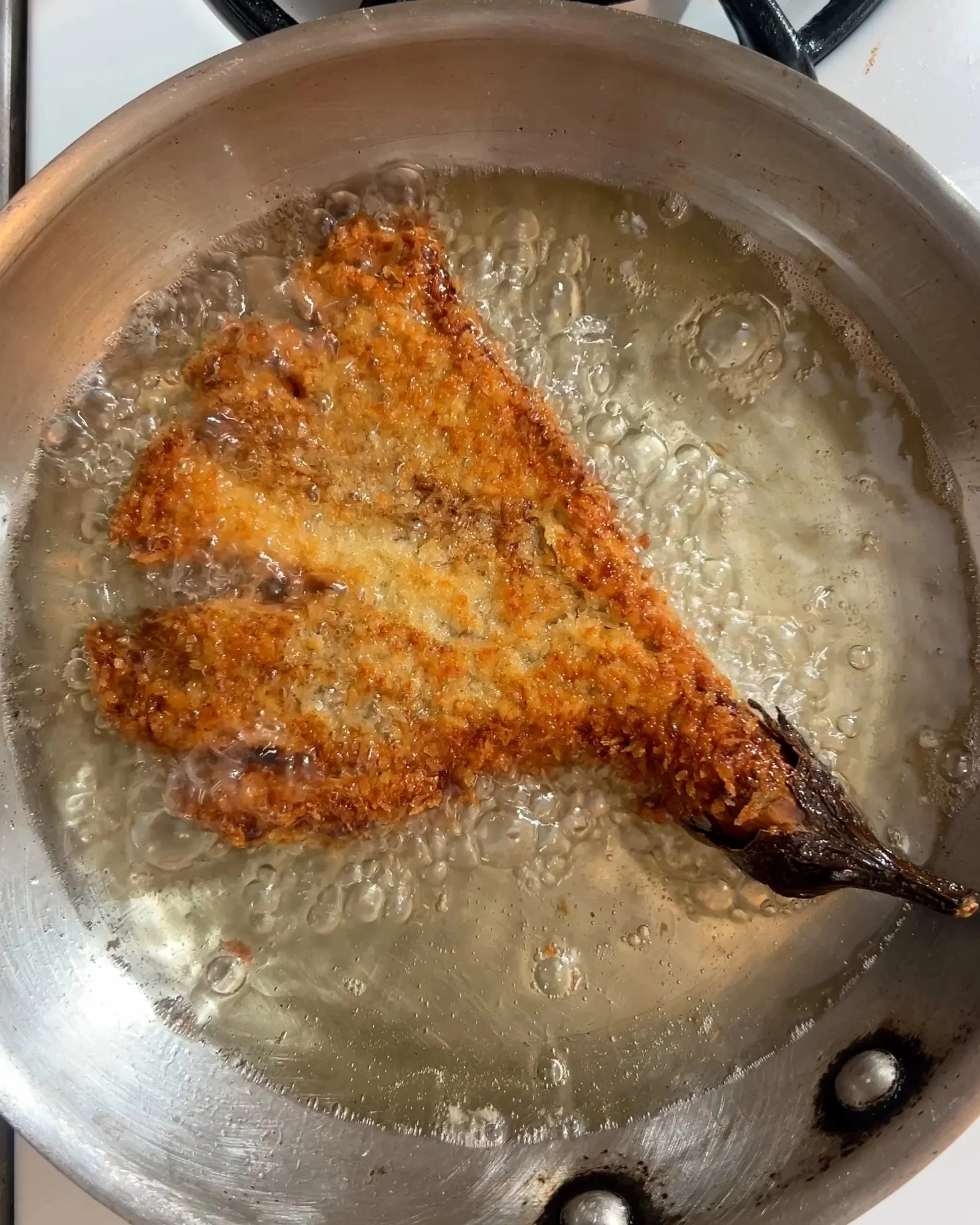
Traditionally, the eggplant is charred directly over an open flame, but I cooked mine in my smoker grill instead, which gives it that same smoky flavor you'd normally only get from charring. Once it's grilled, I peel the eggplant and smash it flat with a fork, the same way you would for tortang talong. From there, it's a simple dredge: a light dusting of flour, a dip in egg wash, and a coat of panko. Because the eggplant is thin, you don't need a deep fryer here, a shallow fry in a saute pan gets it perfectly golden and crisp on both sides.
About the condiments
For katsu sando, I like using okonomiyaki sauce instead of Worcestershire sauce lately. It's thicker, so it clings to the katsu and the bread much better. For the mayo, I always reach for Japanese style mayonnaise, since it's richer and less vinegary than American mayo, and it makes a real difference in a sandwich like this. Shredded cabbage is a classic addition to katsu sando, and I always add it too, it gives a nice crunch and balances out the richness of the fried eggplant and sauce.
Shokupan
Shokupan is Japanese style bread it is square and very fluffy. In my opinion, Shokupan has more structure and bite, so it doesn't get gummy and stick to your teeth like American white bread does. I feel really lucky living in Los Angeles, where I can get shokupan without much trouble at all. I picked mine up from Paris Baguette. I've also tried the shokupan from 85°C Bakery, but I find Paris Baguette's version closer to Japanese shokupan in both texture and taste. If you live somewhere shokupan isn't easy to find, I'd recommend using hotdog buns instead, they're closer in taste and softness to Japanese milk bread than regular American white bread.
What I love most about this recipe is how it combines techniques and flavors from different cultures: the Filipino tortang talong technique meets Italian eggplant parm. It’s flavorful, visually appealing, and makes a classic dish feel fresh and personal. Whether you’re cooking for yourself or a loved one, it’s a fun way to enjoy a smaller portion of a big favorite.
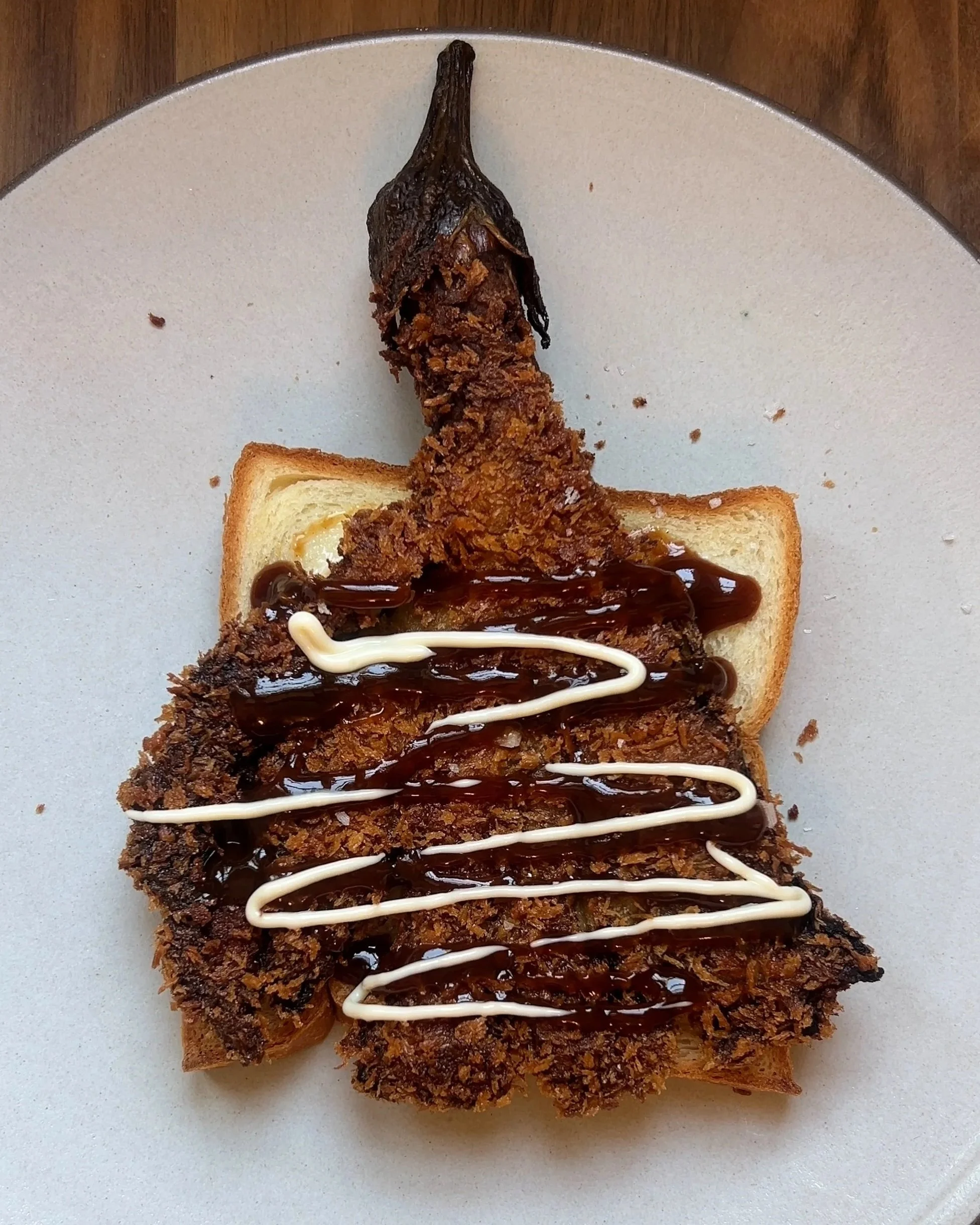
Even if you're not usually an eggplant person, I think this sandwich might change your mind. The smoky, smashed eggplant ends up with a texture that's closer to a good cutlet than anything mushy or bitter, and once it's breaded, fried, and layered into shokupan with sauce, mayo, and cabbage, it eats more like a hearty katsu sando than a vegetable dish. Give it a try, I have a feeling even the eggplant haters at your table will go back for seconds.
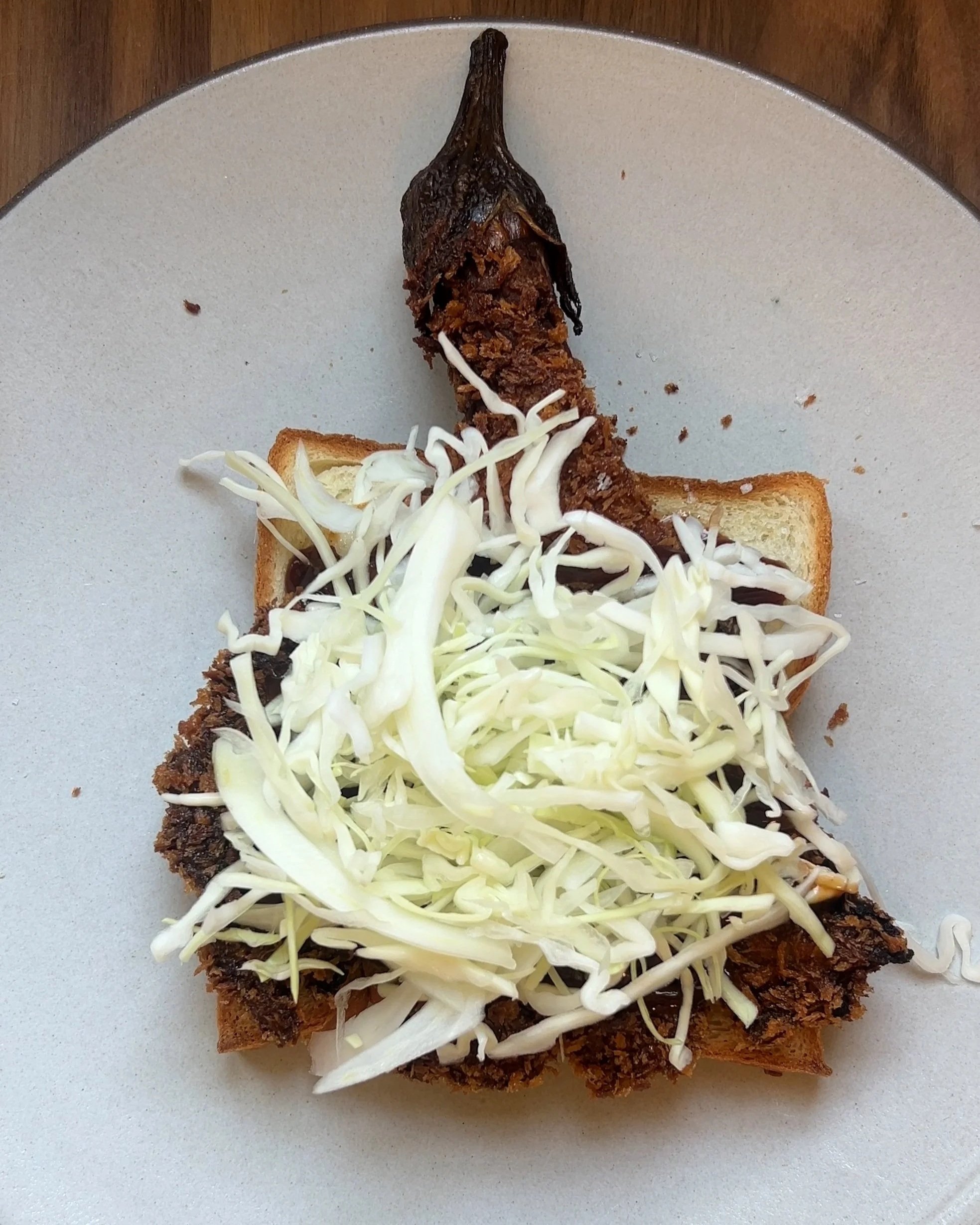
Eggplant Katsu Sando
Prep time 15 minutes
Cooking time: 30 min
Total 45 min
Serves 2
Ingredients
For eggplant katsu
2 Japanese eggplants
2 tablespoons flour
2 eggs, lightly beaten
1 cup panko
Oil for shallow fry
For sandwich
4 slices shokupan
1 cup shredded cabbage
2 tablespoons mayonnaise (preferably Japanese style), divided
2 tablespoons okonomiyaki sauce (or Worcestershire sauce)
Preparation
Preheat your grill at 500˚F. Poke holes in the eggplants with a toothpick or fork. Placethe eggplants on the grill and cook for 15–20 minutes, or until the skin is browned and the inside is soft. Set aside until cool to the touch.
Once the eggplants are cool, carefully peel off the skin, trying not to remove too much of the flesh. Lightly dust the eggplants with flour, shaking off any excess. Dip them in the beaten eggs, then coat with the panko.
Heat frying oil to 350˚F and fry the eggplants until golden brown on both sides.
Spread mayo and okonomiyaki sauce evenly on one side of each shokupan. Place fried eggplants on the sauced shokupan, and drizzle more sauce and mayo. Top with shredded cabbage and cover with the shokupan, sauced side down.
Cut diagonally and serve immediately.