Gâteau Weekend
Citrus season is coming to an end, so let's make Gâteau Weekend . I was talking to a friend recently, and it seems like lemon trees in SoCal are producing more and bigger lemons this year, thanks to all the rain we got last year. My tree is loaded, so it felt like the perfect time to bake this cake.
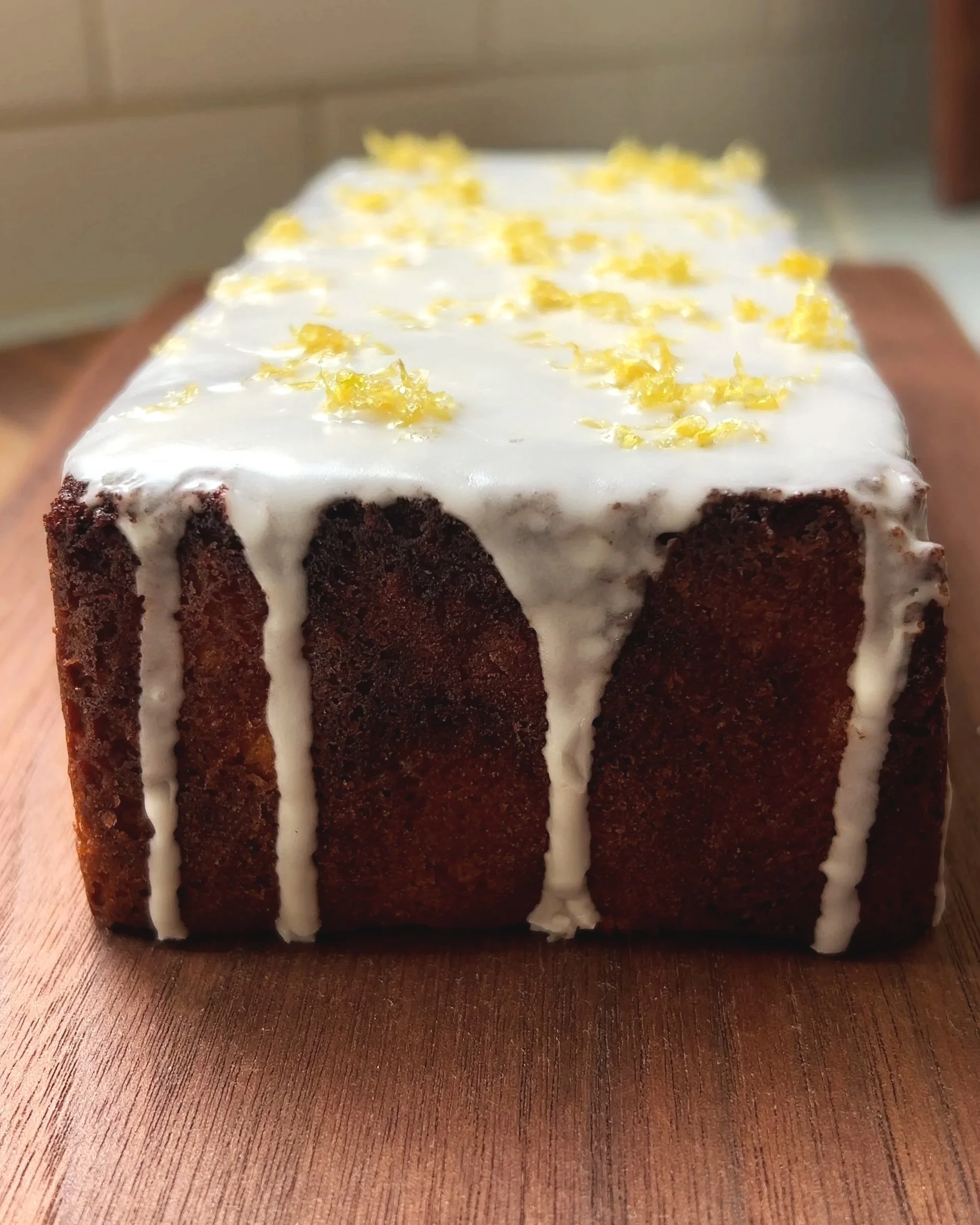
Classic Pound Cake vs. Gâteau Weekend
The traditional pound cake method is simple: cream butter and sugar together, add eggs one by one, then fold in flour. That's essentially it. The result is dense, rich, and tight-crumbed.
There are 3 key differences between a classic pound cake and a Gâteau Weekend .
1. The Mixing Method
Many French versions use a batter method rather than creaming. You whisk eggs and sugar first until pale and ribbon-like, almost like starting a génoise, then fold in flour, and finally stream in melted butter. This produces a slightly lighter, more tender crumb than the classic creaming method.
2. The Syrup Soak
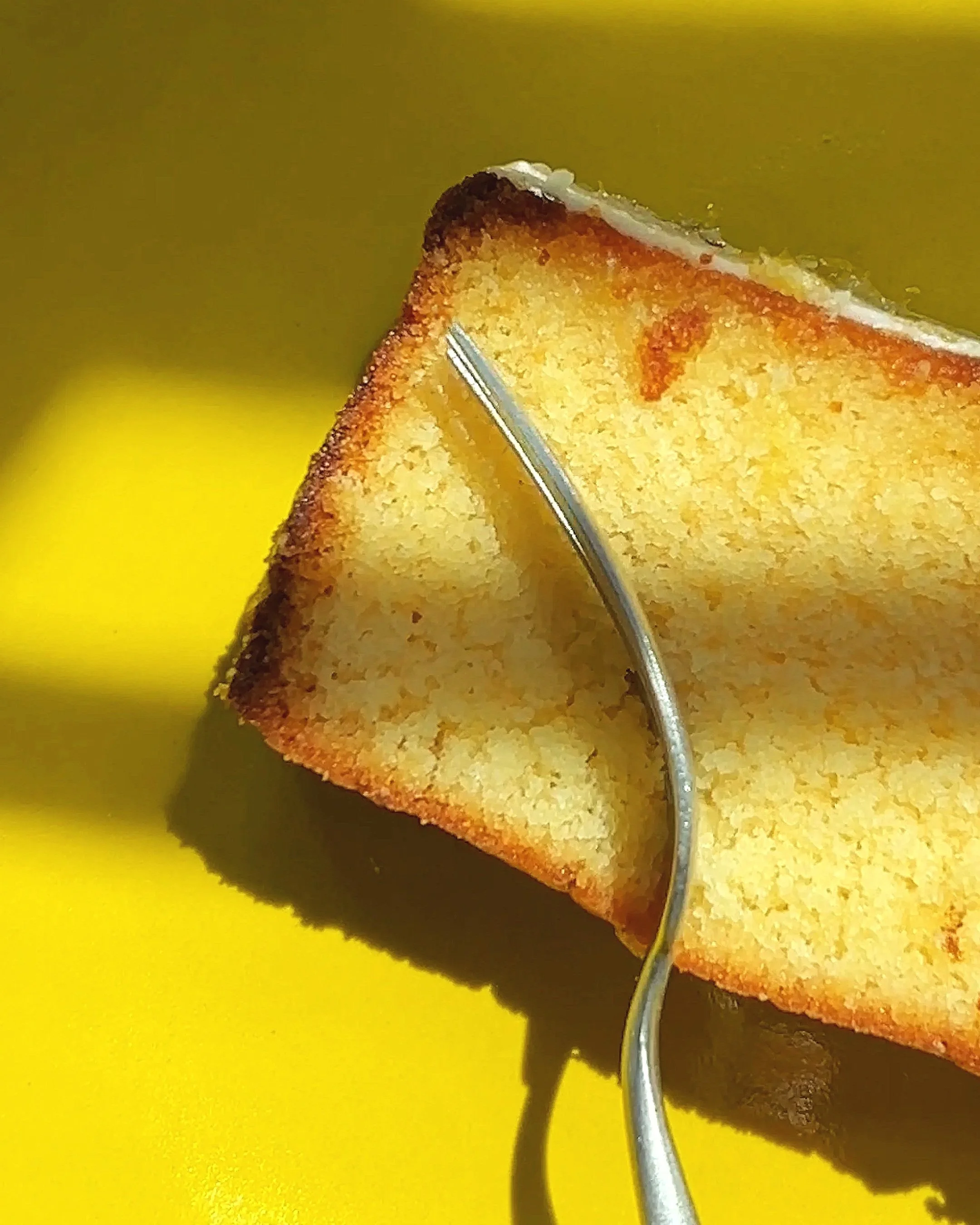
This is the biggest distinguishing step. Once the cake comes out of the oven, it gets brushed with a hot imbibage, which is a simple syrup flavored with liquor or lemon juice. This does two things: it keeps the cake moist for days, and it drives lemon flavor deep into the crumb rather than leaving it only on the surface.
3. The Glaze
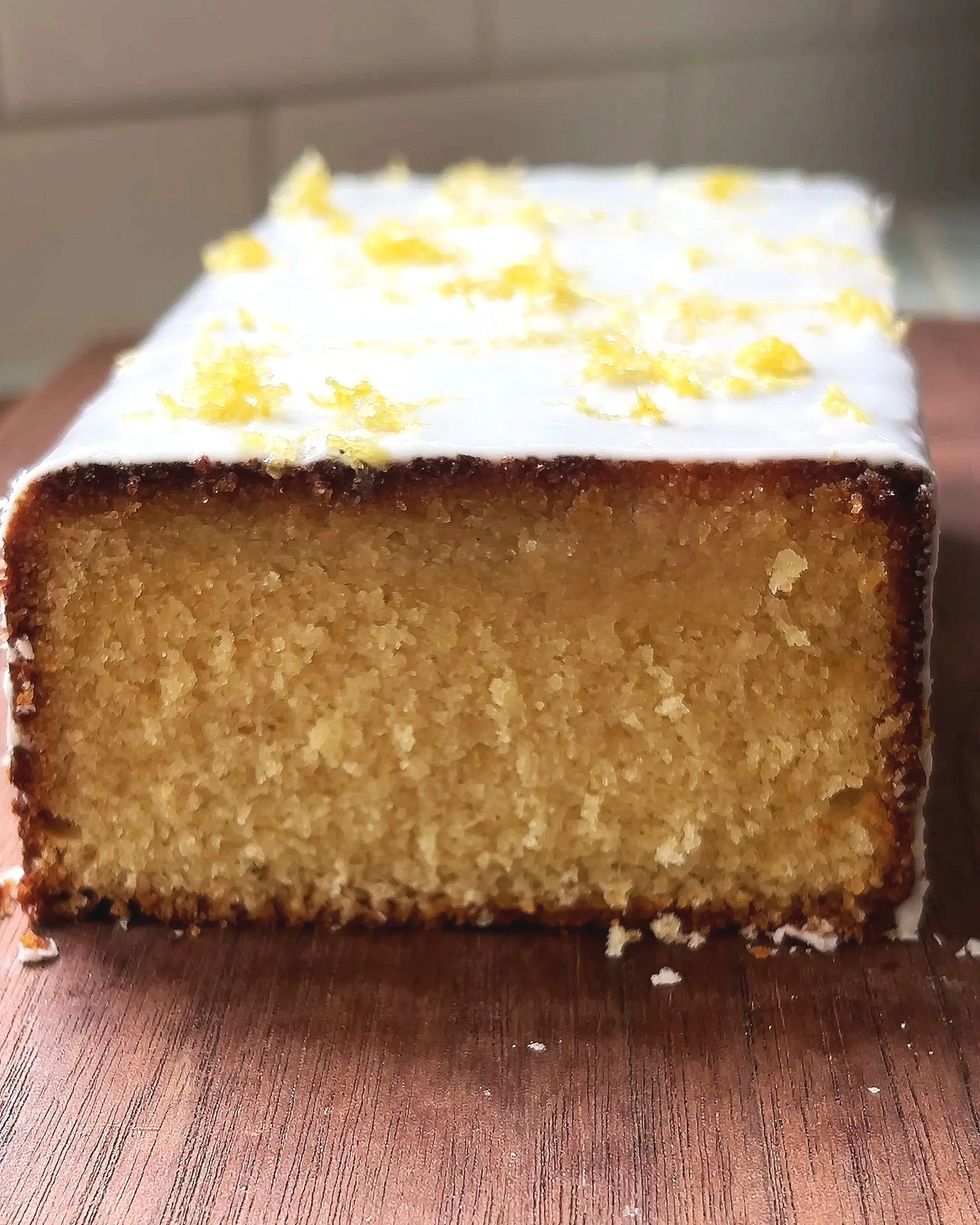
A lemon icing glaze is poured over the cooled cake, creating that iconic shiny, set top. In professional French pastry a true fondant glaze is sometimes used, but a simple powdered sugar and lemon juice glaze is the standard for home baking and gives a beautiful finish.
In short, a pound cake relies entirely on the batter for flavor and texture, while a Gâteau Weekend is built in three layers (batter, syrup, and glaze), each adding a distinct dimension of lemon flavor and moisture.
Notes on Ingredients
Flour
I used cake flour for this recipe. If you don't have it, all purpose flour works fine, though cake flour gives a more tender crumb which I really love for this cake.
Imbibage
In French pastry, imbibage refers to both the act and the liquid, which is a sugar syrup usually flavored with liquor such as rum, Grand Marnier, Cointreau, or Kirsch, used to moisten and flavor génoise or sponge layers. It is a fundamental technique in French entremet building. The verb is imbiber, meaning to soak or saturate.
For a Gâteau Weekend , the soaking syrup is typically just lemon juice and simple syrup with no alcohol, a straightforward imbibage citron. But if you know me, I love adding alcohol to my desserts, so I added cognac. Since this is a lemon cake, limoncello would be a lovely choice too. I just wanted to make it with what I already had in my pantry.
On the Citrus
I used only lemons since that is what my tree produces, but if you are shopping for citrus, a mix of lemon and lime works beautifully too and adds a nice layer of complexity to the flavor.
The Glaze
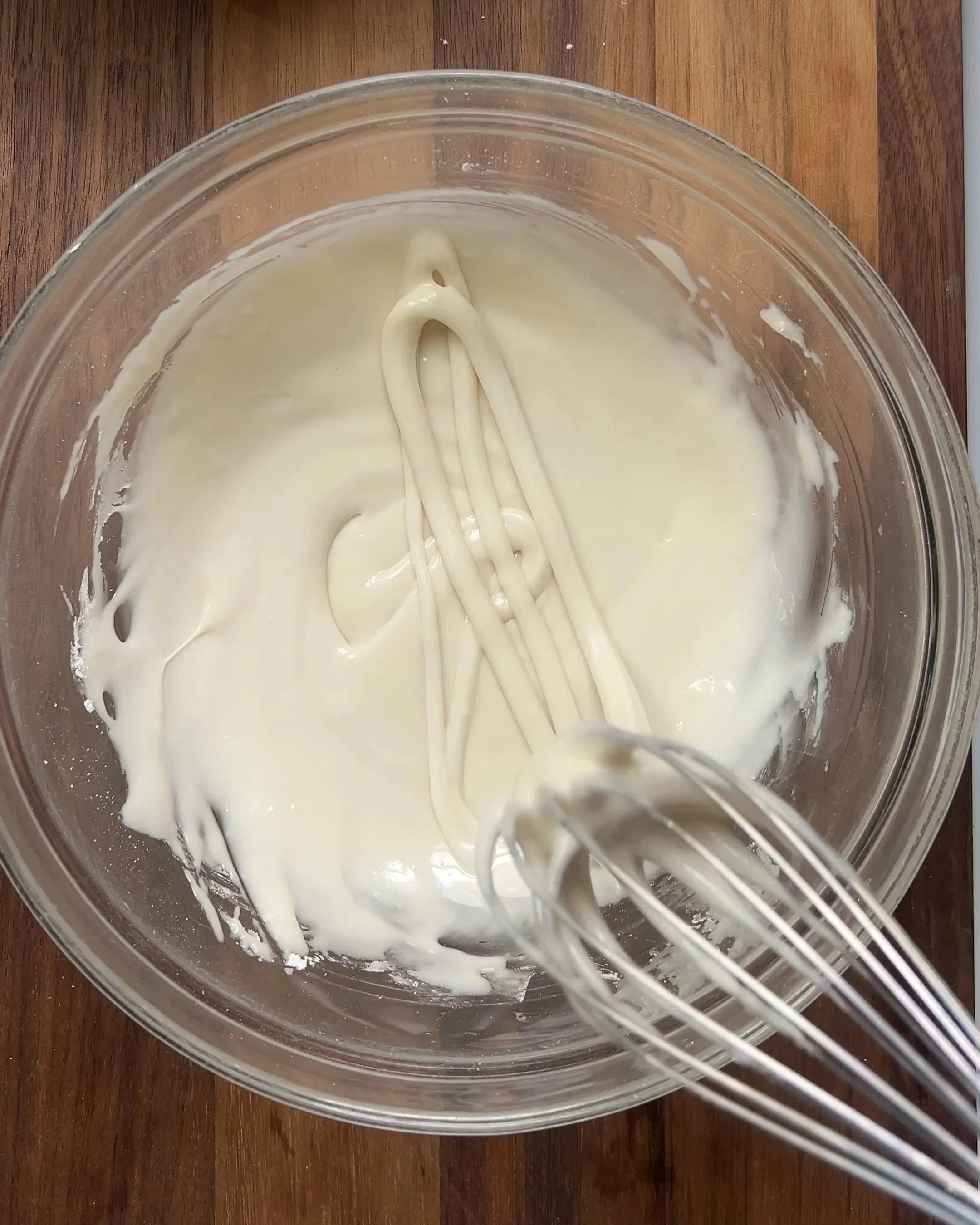
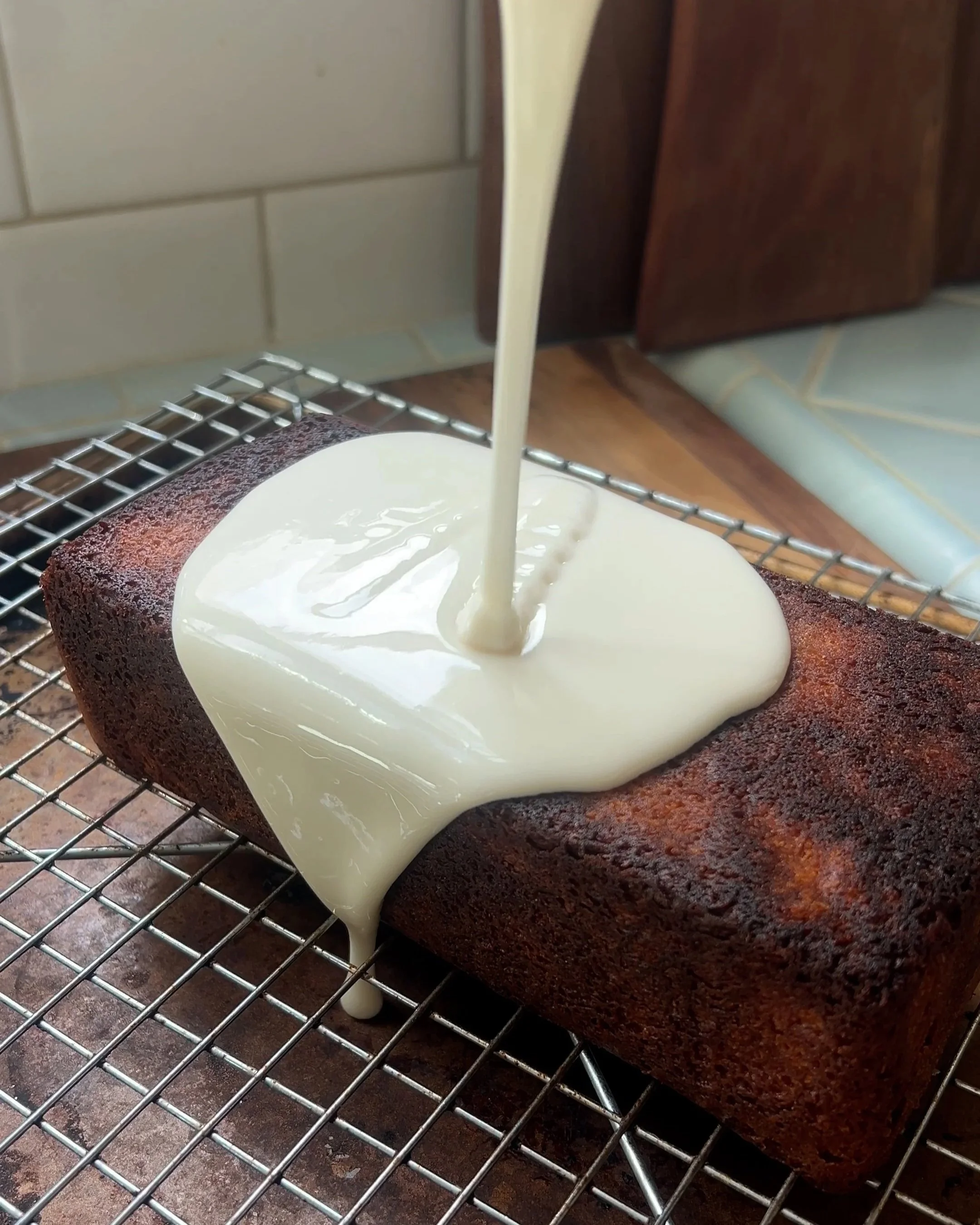
The finishing touch is a lemon glaze poured over the cooled cake, topped with fresh lemon zest. My glaze is made with confectioners sugar, lemon juice, and a small amount of egg white, which gives it structure and a clean, opaque finish. I had leftover egg whites from the batter, so it was a natural fit.
A quick note on the raw egg white: lemon juice does not neutralize salmonella, so I want to be straightforward about that. The good news is that salmonella is actually far less common in egg whites than in yolks, and the quantity here is very small, roughly a third of an egg white dispersed into a large amount of sugar and lemon juice. I use fresh, organic eggs, which further reduces the risk. That said, if you are pregnant, elderly, immunocompromised, or serving young children, I recommend substituting with pasteurized egg whites, which are widely available in cartons and work exactly the same way in the recipe. You can also omit the egg white entirely and just use lemon juice and powdered sugar, though the glaze will be slightly thinner and less opaque.
Presentation
A pound cake tends to dome and rise unevenly, giving it that rustic, homey look. But when a Gâteau Weekend is flipped and glazed on its flat base, the clean, smooth surface lends it a much more sophisticated and modern appearance. It is a small detail that makes a big visual difference.
On the Citrus
I used only lemons since that is what my tree produces, but if you are shopping for citrus, a mix of lemon and lime works beautifully too and adds a nice layer of complexity to the flavor.
Gâteau Weekend
Makes 1
Prep time 20 min
Cooking time: 40 minutes
Total 60 min
Ingredients
Garnish
1 lemon, zested
1 tablespoon sugar
For the Cake
1 egg
2 egg yolks
95g sugar
40g honey
80g cake flour
25g almond flour
1 teaspoon baking powder
1 tablespoon milk (room temperature)
40g lemon juice (about 2 lemons)
70g butter
Imbibage
100ml water
35g sugar
1 tablespoon brandy
Lemon Glaze
200g powdered sugar
10g egg white (strained through a mesh sieve)
30g lemon juice (about 1 lemon)
Preparation
Line a pound cake mold with parchment paper. Set aside. Preheat oven to 325˚F.
Using a microplane, zest 1 lemon. Combine 1 tablespoon of sugar with the zest and mix well. Set aside.
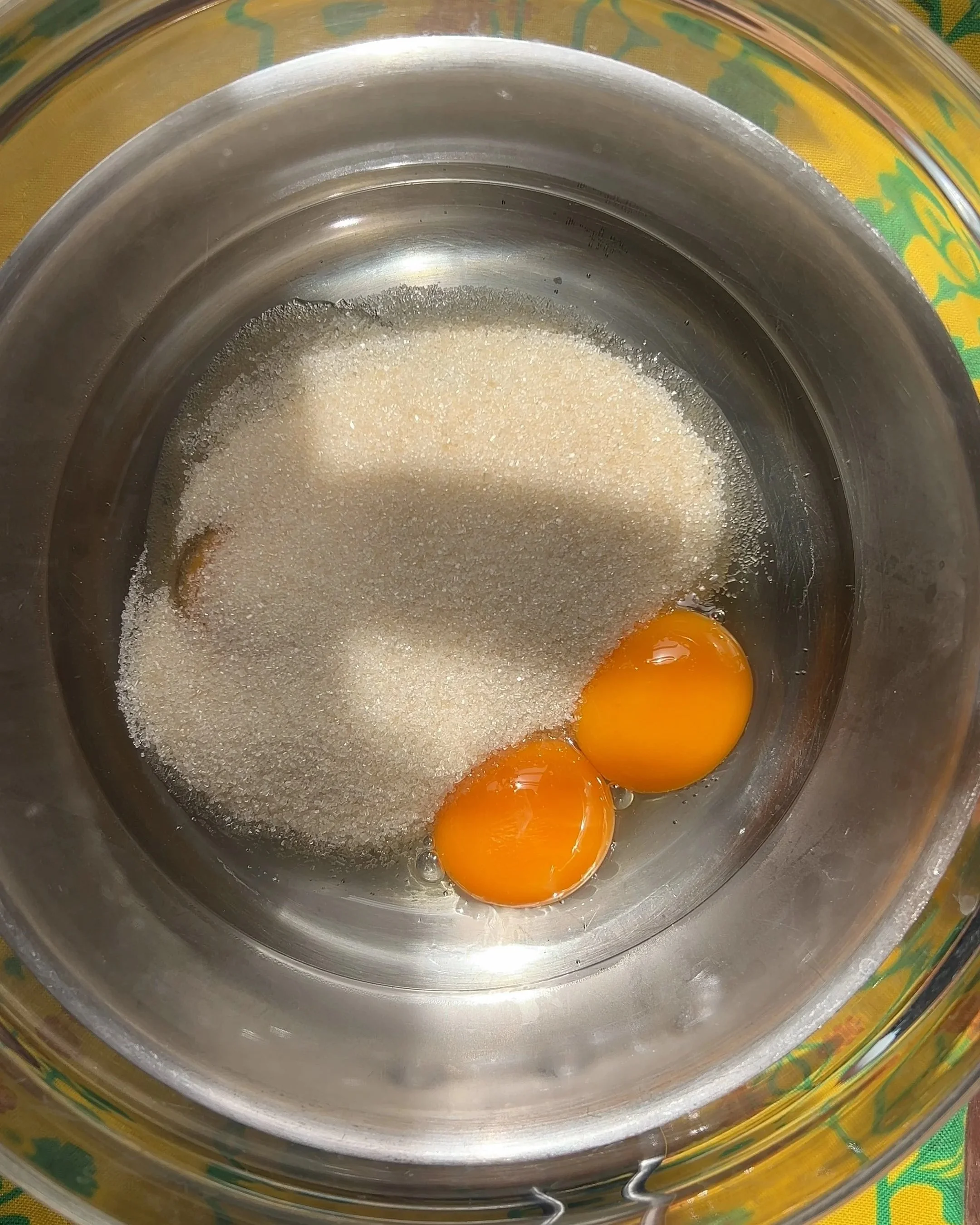
Add the egg, yolks, sugar, and honey to a medium-sized bowl. Using a hand mixer, whip until pale and doubled in volume over a warm water bath.
Sift the cake flour, almond flour, and baking powder into the egg mixture. Using a rubber spatula, fold in the flour mixture.
Add the milk and lemon juice and mix well.
Add the melted butter and mix until everything is well combined.
Pour the batter into the lined pound cake mold and bake for 40 minutes, turning once halfway through.
Meanwhile, make the glaze. In a medium-sized bowl, combine the powdered sugar, lemon juice, and egg whites. Mix well with a whisk. Adjust the amount of lemon juice if the glaze is too thick — it should be runny enough to pour over the cake. Cover and set aside.
Let the cake rest until cool to the touch. Unmold the cake and brush with the syrup while it is still warm. Pour the glaze over the top and decorate with the sugar-coated lemon zest.